


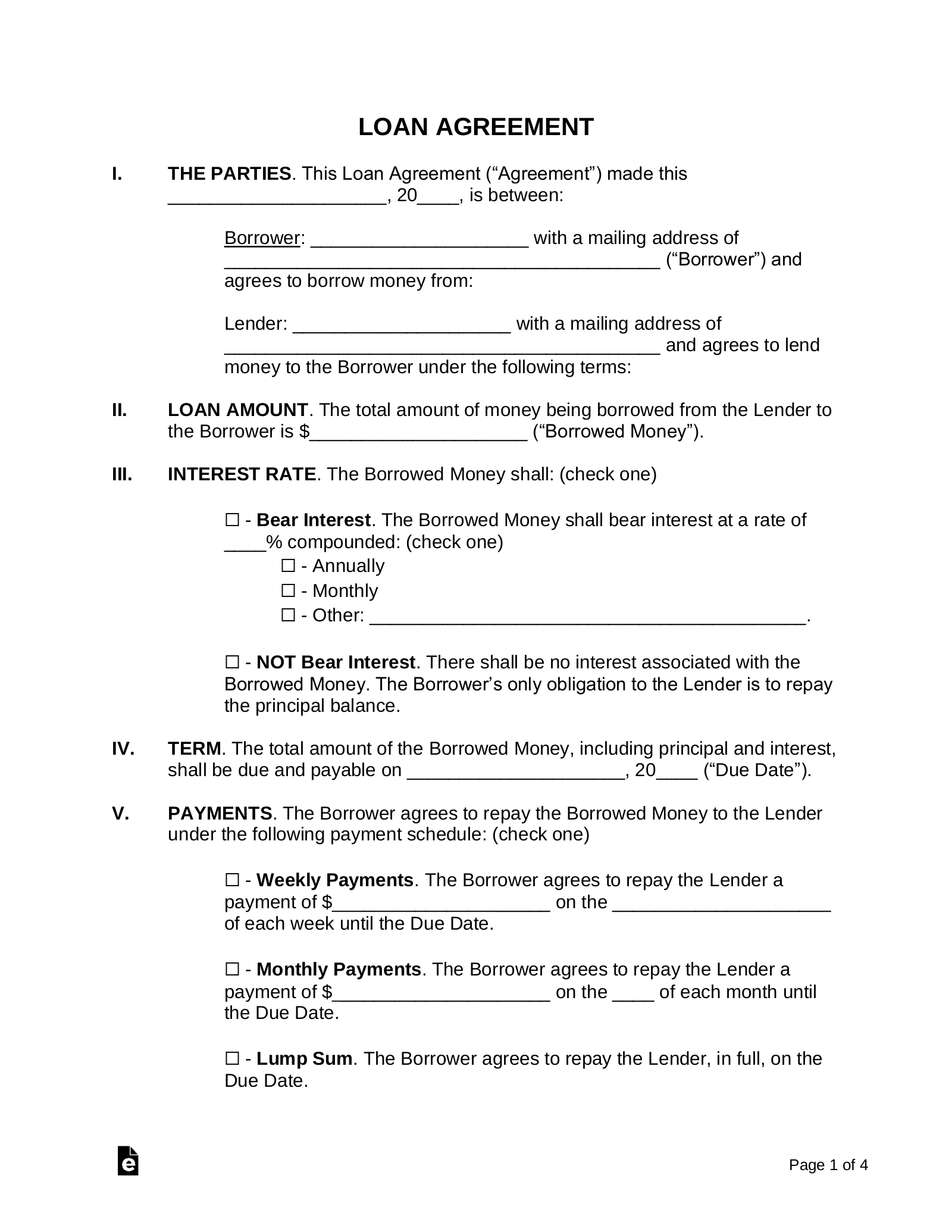
Despite the fact that your company may require you to authorize a noncompete agreement, there are many circumstances when it might not be enforceable.
A Texas court late last month overruled an across the country restriction on noncompete arrangements that was meant to work this Wednesday.
Existing noncompete arrangements will for that reason currently continue to be in position. And companies may still ask you to sign one as a condition of employment. That is, unless and till a greater court decides or else, or Congress passes a legislation prohibiting it. Yet, if that does happen, it might take years.
In the meantime, if you’re functioning under a noncompete contract – or are thinking about signing one – below’s what you require to know and do, since sometimes the agreement might not be enforceable.
1. Comprehend what your noncompete needs
Normally speaking, noncompetes ban you from helping your company’s competitors within a given geographical range for a provided period of time. For example, you may be restricted from helping a rival within 50 miles of your existing work for a year after leaving.More Here north dakota covenant not to compete At our site
So, comprehend precisely how you will certainly be constricted when you leave your present task – whether you stop, obtain laid off or are terminated for cause – and what, if anything, you are buying for signing away your right to work where you wish.
Likewise comprehend just how the area of rivals is defined, since the arrangement might prevent you from working at a firm within an offered distance not simply from your own job website, yet also that of your company’s satellite locations.
‘Review your agreement. You ‘d marvel how many people do not,’ said Michael Fiffik, handling companion of Pennsylvania-based Fiffik Law Group PC. His law firm also supplies services with LegalShield, which connects individuals with legal representatives in their state to recommend them on their noncompete contracts and other issues at little to no charge when they sign up for a monthly strategy that sets you back simply under $30 and can be canceled any time.
Likewise, when taking into consideration whether to sign a noncompete, ‘think about it in the context of your career path,’ Fiffik suggested. By that he implies if it’s common in your kind of work to move up by proceeding every few years, authorizing a noncompete could be troublesome.
And, in general, everyone should assess the documentation they signed when they took their work, due to the fact that they might not even be aware they authorized one, stated Donna Ballman, an employee-side employment legislation attorney in Florida and author of ‘Stand Up For Yourself Without Getting Discharged.’
‘Some (noncompete provisions) are disguised as a ‘confidentiality contract’ or ‘reward agreement,’ and even (may appear) in task applications. The majority of people sign that giant pile of paperwork they get at the beginning of their work without reviewing it meticulously,’ Ballman wrote in an email to CNN.
2. Find out if your state limits noncompetes
The state where you’re working might enforce limitations or straight-out bans, which might render your noncompete invalid. Beginning by examining online with your state’s labor division and the state’s attorney general. This interactive map, from the Economic Technology Team, additionally provides a quick review of present state constraints and restrictions.
For example, in The golden state, two brand-new legislations entered into effect reiterating and making plain what has been true considering that the 1800s: Noncompetes are, with couple of exceptions, unlawful and unenforceable, according to Robert Ottinger, creator of Ottinger Employment Attorney.
That includes anybody in The golden state that is used by a firm headquartered elsewhere or whose job is transferred to California. ‘The min you set foot in The golden state, [the noncompete agreement] vaporizes,’ Ottinger said, even if it states it undergoes the laws of another state.
In New York, lots of agreements are unenforceable due to the fact that they do not satisfy the multipart examination the state calls for of such agreements to be valid, consisting of not enforcing excessive difficulty on an employee. In Ottinger’s experience, ‘there’s a 90% or higher opportunity of it being void. If you take it before a judge, the judge will not implement it,’ he said. That is specifically the situation for reduced- and mid-level workers, he added. ‘We’ve had dog walkers and sandwich makers subject to them. We win practically every single time.’
By comparison, several other states enforce far less limitations. And some, like Kansas and South Carolina, impose none in all, according to the Economic Advancement Group.
3. Also missing state restrictions, antitrust regulations still use
Even where employees are least protected by state regulation, you still might have recourse if you feel your noncompete agreement is outright.
‘Federal and state antitrust law still applies, so it’s still unlawful to have a noncompete contract for the function of preventing competition. Companies have to have a genuine passion to safeguard, such as protecting secret information or trade secrets, customer a good reputation, extraordinary or customized training the company provided, or special partnerships with clients established as a result of the employment,’ Ballman said.
And the Federal Profession Commission, which produced the currently struck-down rule prohibiting noncompetes, notes that it is not avoided from ‘resolving noncompetes with case-by-case enforcement activities.’
Ballman stated that there are some defenses versus a noncompete that a lot of states will identify. ‘These include where the employer breaches the arrangement initially, where there is no legitimate rate of interest to protect aside from avoiding competitors, where the size of time or the range is overbroad, or where public health or security would certainly not be served.’
And there might be various other means to prove your noncompete is bogus, especially when the employer shows that it is planned to secure secret information. For instance, Ballman stated, ‘numerous companies don’t really take measures to safeguard that so-called secret information. If it gets on the website, if they enable some employees to contend but not others, if they extol consumers on social media sites, then there’s an excellent argument that the information isn’t personal after all.’
All that said, ‘there’s no magic stick to leave these,’ she included. So, recognizing what you’re getting into prior to signing anything and consulting with an experienced employee-side employment lawyer in your state might conserve you a great deal of time and stress and anxiety when you do at some point carry on to a brand-new job.

Leave a Reply